


The recruiting field guide
How to join an esports org
The practical path for players, coaches, analysts, creators, and staff—plus the exact evidence Elite looks for when a competitive seat opens.
The short answer
To join an esports organization, choose a specific role, build public proof that you can do it, compete or publish consistently, become known as reliable in the relevant game community, and send a short targeted application when the org has a real need. Players need verifiable results; coaches, creators, and staff need strong work samples.
An esports organization is more than a ranked stack. It may field players, coaches, analysts, creators, broadcast talent, community staff, designers, editors, partnership teams, and operators. The route changes by lane, but the hiring question is the same: what can you prove you already do well?
01
Proof before pitch
Build the evidence first.
02
Fit before volume
Apply where your lane is real.
03
Trust before contract
Be reliable under scrutiny.
The process
Seven steps from unknown to ready
This is not a promise that an org will sign you. It is the work that makes you legible when a real opening exists.
Choose one game, region, and role
Be specific. “Competitive player” is not a scouting profile; “NA Fortnite fragger,” “EMEA Apex IGL,” or “FGC Tekken specialist” is. Coaches, analysts, creators, and operators should define their lane just as clearly.
Ready when: Your role can be understood in one sentence.
Build proof people can verify
Players need placements, tracker pages, VODs, and a stable competitive identity. Coaches need review notes, systems, or results with teams. Creators and staff need published work, not a promise about what they could make.
Ready when: Every claim has a link, result, or work sample.
Compete or publish consistently
Enter open brackets, qualifiers, community events, or leagues that create a public record. If your lane is content or operations, ship useful work on a cadence. One spike gets attention; repetition creates trust.
Ready when: Your last 60–90 days show a pattern, not one heater.
Become useful inside the scene
Join scrim communities, contribute thoughtful analysis, help run events, or make coverage people actually use. Networking works best when it is the result of being good to work with—not a stream of cold DMs.
Ready when: People in your game can describe how you contribute.
Make yourself easy to evaluate
Keep one clean profile with your handle, role, region, age eligibility, contact, results, relevant links, and availability. Scouts should not have to search five accounts to work out who you are.
Ready when: A decision-maker can assess the basics in under two minutes.
Apply when the fit is real
Study the organization’s games, region, level, and current roster before contacting it. Send a short, tailored note with the strongest evidence first. A useful application is specific enough to route immediately.
Ready when: The message says why this org, this lane, and why now.
Treat the trial and contract seriously
Trials test communication, adaptation, reliability, and role fit—not just mechanics. If an offer follows, read the full agreement, understand duties and term, and involve a parent or guardian when legally required.
Ready when: You can explain the expectations before you accept them.
Choose a lane
Four ways into an org
The strongest application is shaped around the job—not around a generic desire to be in esports.
Player
Results are the résumé.
- Public tracker and placements
- Role, region, input, and availability
- Recent VODs or replay links
- Current teammates for squad games
Coach or analyst
Show how your work changes decisions.
- One concise VOD review
- Scouting or opponent report
- Team systems and role philosophy
- References or past team results
Creator or talent
Audience matters; format discipline matters too.
- Three strongest published pieces
- Platform and audience breakdown
- Your repeatable content format
- What you would uniquely add
Staff or community
Solve an operating problem in public.
- Relevant portfolio or case study
- Events, communities, or projects run
- Tools and workflows you know
- Clear availability and location
What Elite scouts
The bar is visible before the DM
For competitive signings, Elite starts with public evidence and then evaluates fit.
Open-bracket results
Placements we can verify beat claims we cannot.
Consistency
A season of strong work says more than one weekend.
Role clarity
Know what you do and why a roster needs it.
Competitive integrity
A clean record and professional communication are part of performance.
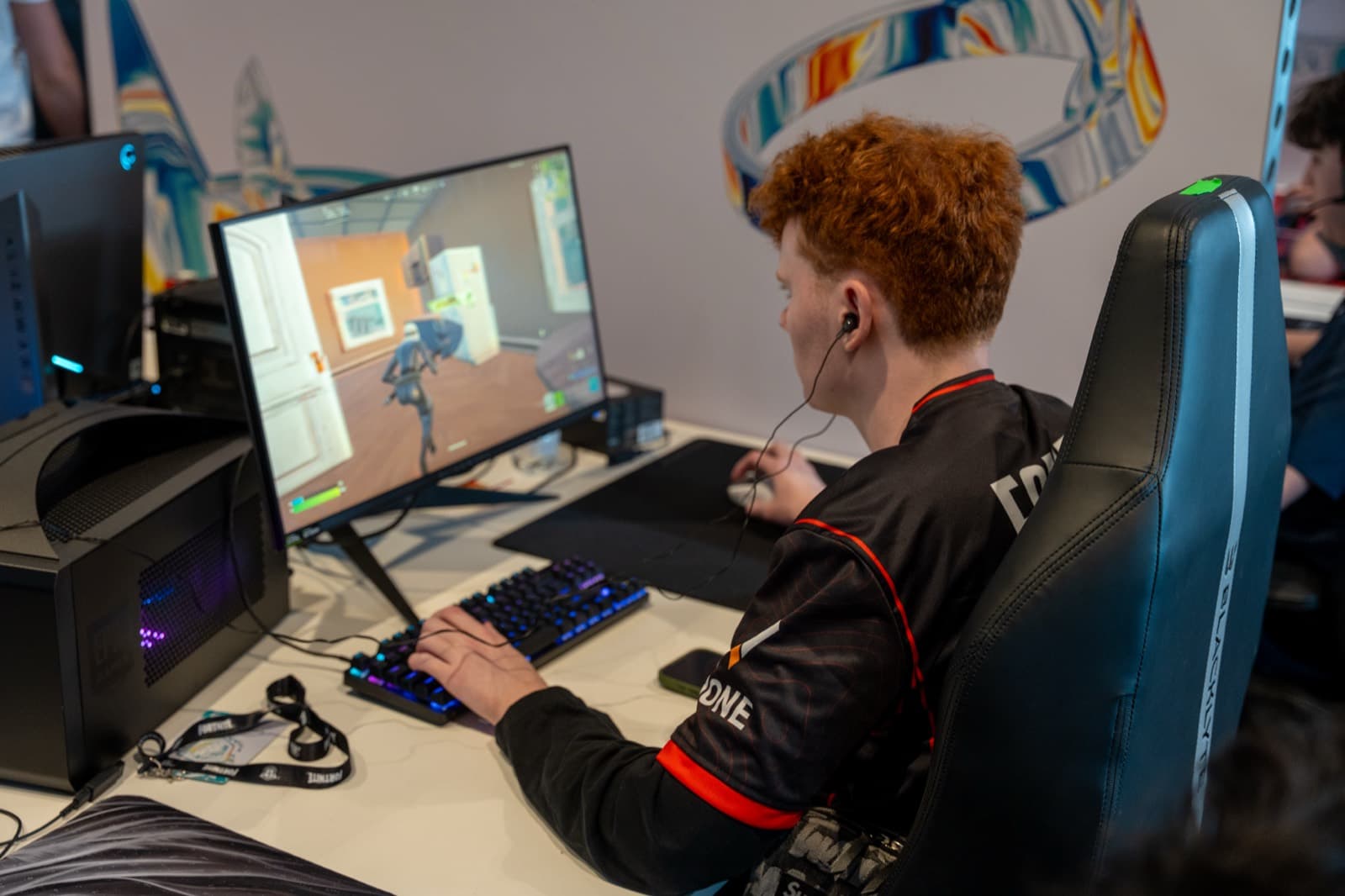
The 5STAR run
Dark, Kaydn, and Dig took an unsigned 5STAR roster through the ALGS Online Opens—winning Open #3—and qualified for Pro League Americas before Elite signed the full roster.
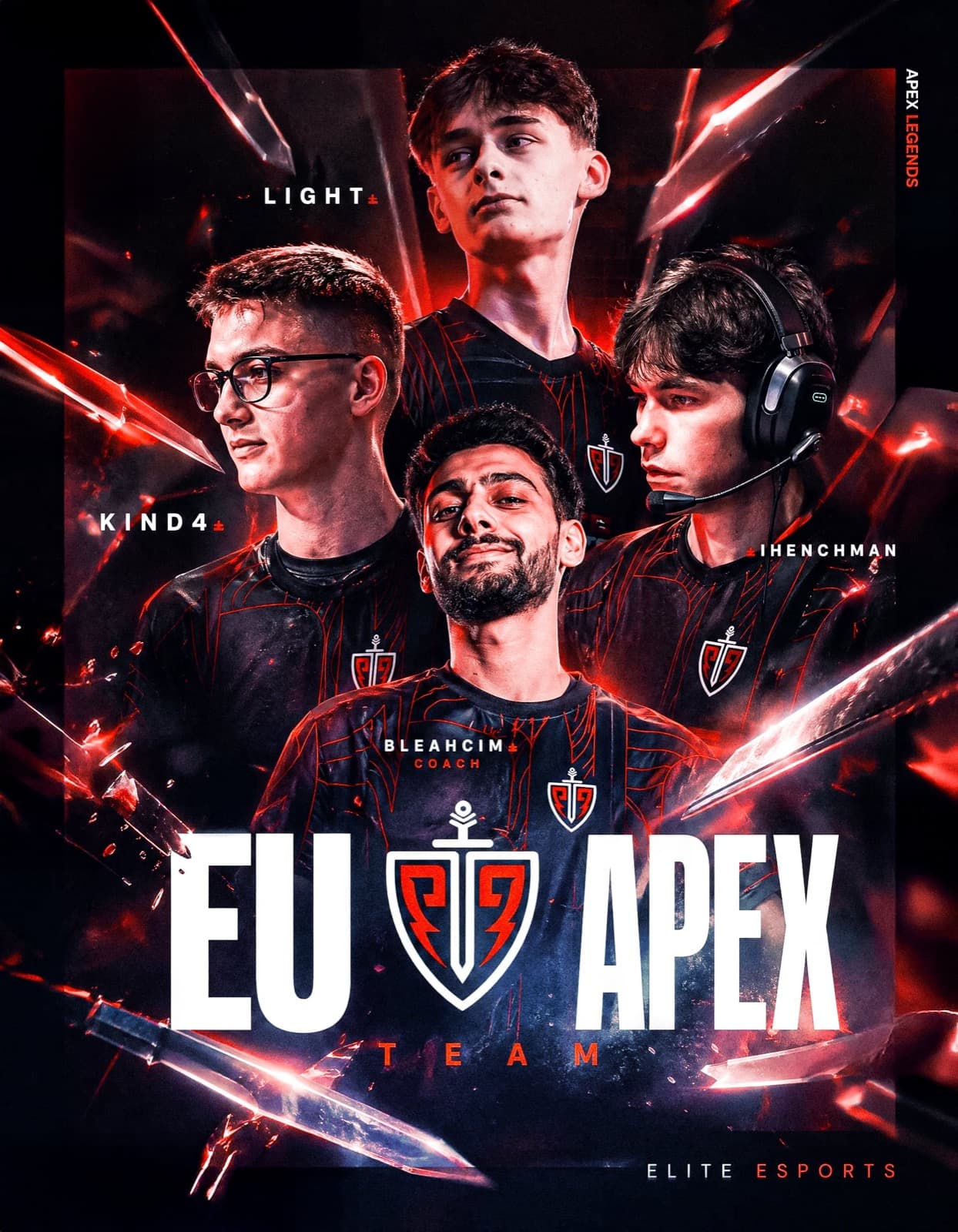
The GoNext core
lighT, iHenchman, and KIND4 built an EMEA body of work before Elite signed the core and coach. The evidence existed before the announcement did.

Josh’s duo results
Josh won Divisional Cup finals and stacked NA placements with Eomzo before signing. The duo then fought through the FNCS Second Chance Qualifier to the Summit LAN.

The two-minute packet
Make the first review easy.
Lead with evidence. A serious application should let the reader answer who you are, what you do, where you compete, and why the fit makes sense without opening ten tabs.
- 01 Handle and real contact name
- 02 Game, region, role, and eligibility
- 03 Three strongest results or work samples
- 04 Tracker, portfolio, or full VOD links
- 05 Current team and availability
- 06 Two sentences on why Elite fits
Recruiting signal
Hear when a real opening exists.
Choose only “Tryouts & opportunities” for structured tryouts, scouting guidance, and player, coach, creator, or staff openings.
Protect your account and your signature.
An organization does not need your password, recovery code, or an upfront “signing fee.” Verify the sender, read the whole agreement, and get qualified help when the terms are unclear.
A contract is not a congratulations screen.
Check term length, compensation, prize handling, content obligations, exclusivity, termination, and ownership. Minors should involve a parent or guardian from the start.
Common questions
How joining an org actually works
How do you join an esports organization?
Choose a specific role, build public evidence, compete or publish consistently, establish a professional reputation in the relevant game community, and send a short tailored application when the organization has a genuine need. Players need results; non-player roles need work samples.
What rank do you need to join an esports org?
There is no universal rank. A high ladder rank can open a door, but professional organizations usually need tournament results, role fit, communication, reliability, and eligibility. The useful benchmark is how you perform against recognized competition, not the color of one ranked badge.
Can you join an esports team with no experience?
You can join an amateur or developing team, but a professional roster will expect evidence. Start by entering open tournaments, joining a reliable stack, reviewing your games, and building a public record. For staff or creative roles, create real projects for community teams before asking a pro org to take the first risk.
Does Elite Esports hold open tryouts?
Not on a fixed schedule. Elite recruits from visible results and reviews serious roster submissions year-round. If a structured tryout, scrim block, or opportunity opens, Elite will announce it through official channels and the recruiting email topic.
How should I contact an esports org?
Use the official application or contact route. Lead with your game, region, role, and strongest evidence. Add two or three relevant links and a short reason the organization fits. Do not send a generic paragraph to every team or ask staff to search for your results.
Do I need a highlight montage?
No. A short reel can provide context, but it should not replace full-game VODs, public placements, tracker links, analysis samples, or published work. Edited highlights show ceilings; organizations also need to see decisions, consistency, and team play.
Can a minor join an esports organization?
Eligibility depends on the game, tournament, region, and contract. If you are under the legal age to sign for yourself, involve a parent or guardian early and verify tournament age rules before applying. Never hide your age to enter a restricted event.
How can I tell if an esports offer is legitimate?
Verify that the person uses an official organization channel, read the entire agreement, ask who owns content and prize obligations, and never pay an upfront fee just to be signed. Do not share passwords or account recovery codes. When unsure, involve a trusted adult or qualified adviser.
Ready to make a specific case?
Open the Elite contact form